
Best BIM Courses Training
CAD Center Hyderabad is a leading BIM Training Institute in Hyderabad, offering both offline and online training programs. As an Autodesk Authorized Training Center, we provide industry-focused training with an updated syllabus, delivered by professionals with 15+ years of experience. Our practical, hands-on approach helps students gain real-world BIM skills and stay aligned with current industry standards.
Best BIM Training Institute in Ameerpet Hyderabad
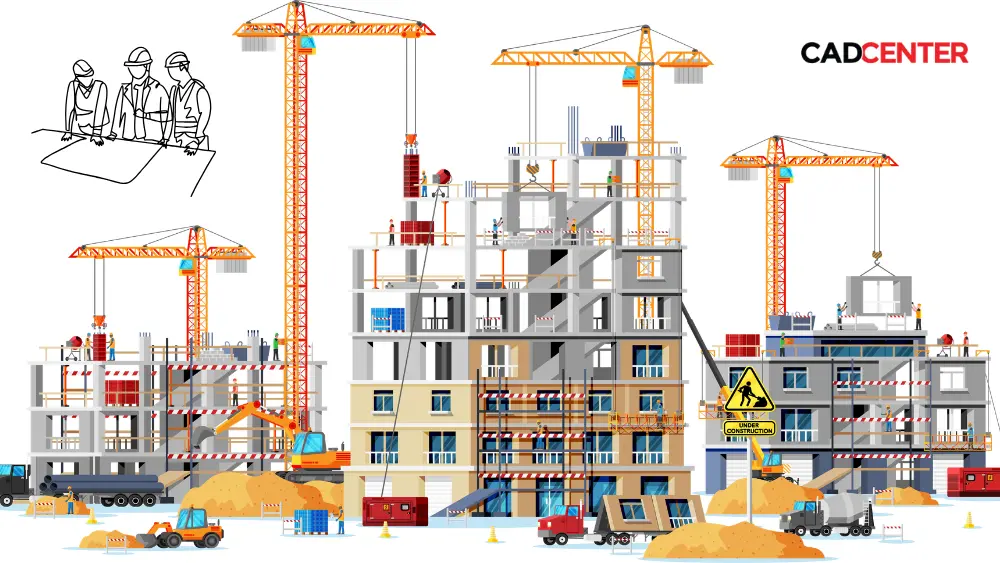
Building Information Modeling has reshaped how architecture, engineering, and construction professionals design and deliver projects. If you are exploring bim courses in Hyderabad, this guide breaks down exactly what BIM involves, what skills you gain, what the course structure looks like, and how it connects to real project work — with no noise around it.
What Is Building Information Modeling?
Building Information Modeling, commonly called BIM, is a process of creating and managing a digital representation of a building’s physical and functional characteristics throughout its entire lifecycle — from concept design through construction and into facility management. A BIM model is not just a 3D drawing. It carries intelligent data: materials, costs, structural properties, MEP systems, and scheduling information — all embedded within a single coordinated model.
BIM operates across dimensions — 3D for geometry, 4D for construction scheduling, 5D for cost estimation, and 6D for sustainability and facility management. It allows multiple disciplines to work on the same model simultaneously, reducing conflicts, rework, and cost overruns on site.
Why BIM Courses in Hyderabad Are Gaining Serious Traction
Hyderabad has seen consistent growth in infrastructure, real estate, and large-scale commercial construction. Projects like metro extensions, IT parks, hospitals, and mixed-use developments are increasingly being delivered under BIM mandates — both from clients and government agencies. Professionals without BIM skills are finding themselves outside the conversation during project tendering and execution.
Firms working on international projects demand BIM compliance, particularly at LOD 300 and above. This shift has made BIM training in Hyderabad not a supplementary add-on but a baseline requirement for architects, civil engineers, structural consultants, and MEP engineers looking to stay relevant.
Core Modules Covered in BIM Course
A serious BIM course does not start by opening software. It begins with process understanding — how information is created, shared, checked, and handed over across the project lifecycle. Once that framework is clear, every tool you learn has immediate context and purpose.
Revit Architecture
Architects and architectural draftsmen work through Revit Architecture as the primary authoring environment. Training covers conceptual massing, wall and floor systems, roof and staircase modeling, door and window families, and full documentation workflows aligned with Indian drawing standards. Beyond basic modeling, the course addresses view templates, sheet setup, keynoting, and the creation of custom families — skills that directly impact documentation speed and quality on real projects.
Revit Structure
Structural engineers use Revit Structure to build analytical models, document reinforcement, and coordinate with architectural and MEP teams. BIM courses at this level cover grid and level setup, structural framing, slab and foundation modeling, rebar detailing using Revit’s reinforcement tools, and the preparation of structural sheets that can be issued for construction. The focus is always on producing coordinated, data-rich models rather than isolated drawings.
Revit MEP
MEP professionals — covering HVAC, plumbing, fire protection, and electrical systems — work through Revit MEP. The training addresses system creation, duct and pipe routing, equipment placement, connector configurations, and the preparation of services drawings that coordinate with structural and architectural models. This module is particularly critical because MEP coordination is where the majority of on-site clashes originate.
Navisworks for Coordination and Clash Detection
One of the most in-demand skills from any bim courses in Hyderabad program is the ability to run proper model coordination. Navisworks Manage is used to federate models from all disciplines into a single environment and run clash detection across them. Trainees at CAD Center Hyderabad learn to identify hard clashes, soft clashes, and clearance violations, generate structured clash reports, and facilitate coordination review meetings to resolve conflicts before they reach the construction site.
BIM Execution Plans and Information Management
A BIM model without a governance framework produces inconsistency across teams. Structured BIM training includes the preparation of BIM Execution Plans (BEPs), understanding Employer Information Requirements (EIR), and setting up a Common Data Environment (CDE) for controlled information sharing across project stakeholders. These are skills that BIM managers and senior project professionals need to lead BIM implementation on any scale of project.
Dynamo for Parametric Automation
Advanced BIM courses cover Dynamo — a visual scripting environment built into Revit. Dynamo allows professionals to automate repetitive modeling tasks, generate parametric geometry, and extract or manipulate model data without writing traditional code. Professionals who learn Dynamo at CAD Center Hyderabad find that it eliminates hours of manual work on large projects, particularly in documentation, data management, and model auditing.
Scan-to-BIM Workflows
Renovation and retrofit projects require accurate as-built information. Scan-to-BIM training covers importing and processing point cloud data captured from laser scanning into Revit to produce precise existing condition models. This is increasingly relevant for industrial facilities, heritage buildings, and commercial renovation projects where field-verified geometry is critical.
New Batchs
Courses | Start Date | Mode | Timings | Book Now |
AutoCAD | 21-09-2026 | Offline | Online | 8:00 AM | 2:00 PM | |
Revit Structure | 21-09-2026 | Online | Offline | 8:00 AM | |
Solidworks | 21-09-2026 | Offline | Online | 9:00 AM | |
Quantity Survey | 21-09-2026 | Offline | Online | 5:00 PM | |
Revit Architecture | 21-09-2026 | Online | Offline | 3:00 PM | |
Sketchup | 21-09-2026 | Online | Offline | 2:00 PM | |
3ds Max | 21-09-2026 | Online | Offline | 11:00 AM |
BIM Course Comparison Table: Module vs. Professional Profile
BIM Module | Best Suited For | Key Deliverable |
Revit Architecture | Architects, Draftsmen | Coordinated architectural model with LOD 300+ documentation |
Revit Structure | Structural Engineers | Analytical model, rebar detailing, structural sheets |
Revit MEP | MEP Engineers and Consultants | Clash-free services model with schedules |
Navisworks | Project Managers, Site Engineers | Clash detection report, 4D construction simulation |
BIM Management | BIM Coordinators, Senior Engineers | BEP preparation, ISO 19650 compliance documentation |
Dynamo | Intermediate to Advanced Revit Users | Automated model workflows, parametric families |
What LOD Means and Why It Matters in Training
Level of Development, or LOD, defines how much detail and reliability a BIM element carries at each stage of a project. LOD 100 covers conceptual massing with approximate dimensions. LOD 200 includes generic geometry. LOD 300 carries accurate, coordinated geometry with precise dimensions suitable for construction documentation. LOD 400 is fabrication-ready, and LOD 500 represents the verified as-built condition used for ongoing facility management.
Training at CAD Center Hyderabad ensures professionals understand when each LOD is appropriate — because modeling everything at LOD 500 during concept design creates bloated, unmanageable models that slow down the entire project team. Knowing the right level of detail for the right project phase is as valuable as knowing how to model.
Career Roles After Completing BIM Training
Completing a structured BIM training does not just add a software skill — it opens distinct career paths that have emerged specifically because of BIM adoption.
A BIM Coordinator manages the coordination process across disciplines, runs weekly clash review meetings, maintains the federated model, and prepares clash reports for the project team. A BIM Manager oversees the entire information management strategy for a project or organization, prepares BEPs, sets up CDE (Common Data Environment) workflows, and ensures ISO 19650 compliance. A BIM Author creates discipline-specific models in Revit and is responsible for modeling accuracy and LOD compliance within their scope.
Firms across India — particularly those handling Gulf, UK, and Australian projects — actively hire professionals with validated BIM skills. Hyderabad’s growing presence in the engineering consultancy and project management space means local opportunities are also expanding steadily.
Course Duration and Training Formats
A focused module such as Revit Architecture typically requires 45 to 60 hours of structured instruction. A comprehensive program covering multiple authoring tools plus coordination and management skills can extend to 120 hours or more. CAD Center Hyderabad structures programs across weekday batches, weekend batches, and fast-track intensive formats — making it practical for working professionals to complete bim courses in Hyderabad without disrupting active project commitments.
How CAD Center Hyderabad Fits Into BIM Education
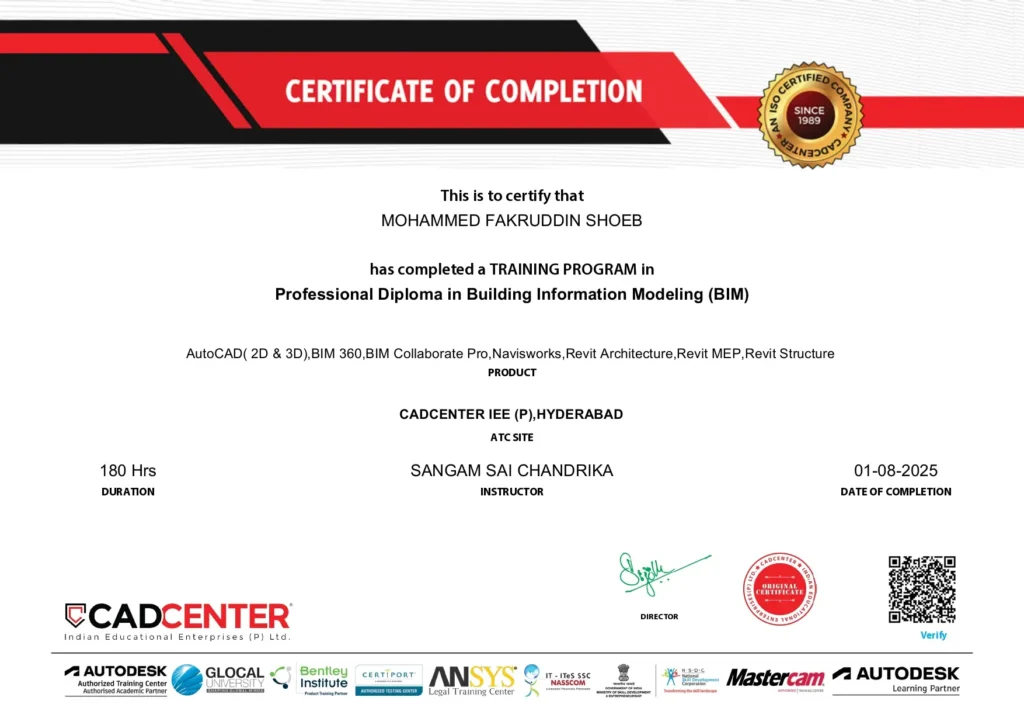
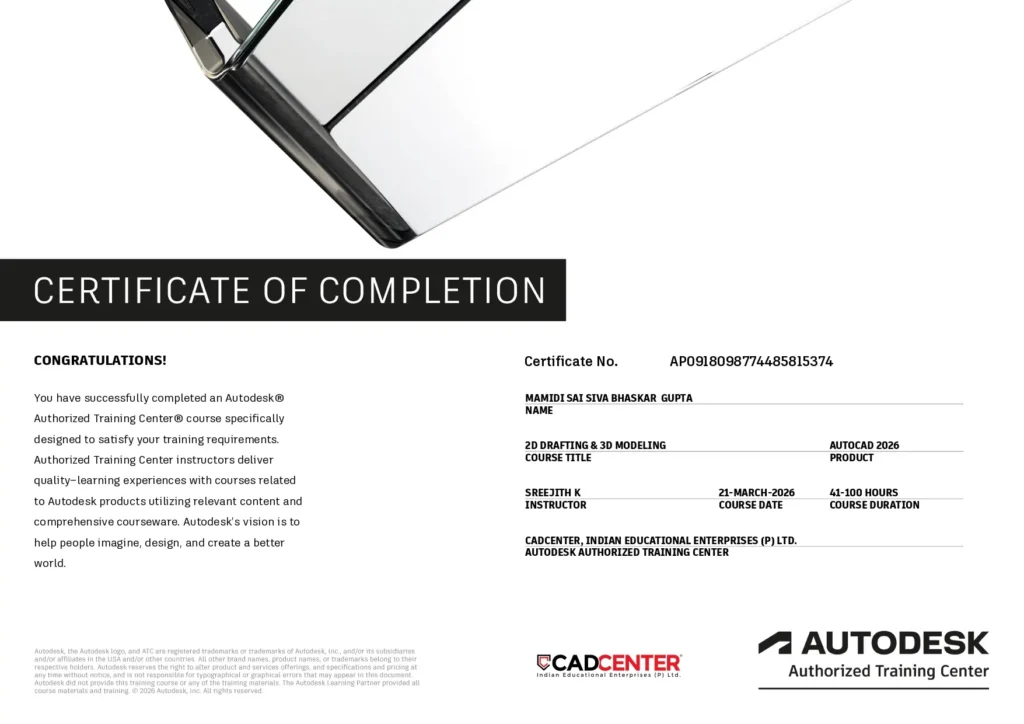
Autodesk-affiliated training centers such as a CAD Center Hyderabad provide a structured environment where Revit training is delivered against Autodesk’s official curriculum. Our center offer access to legitimate software licenses during training, certified examination pathways, and trainers who carry Autodesk credentials. For professionals who want their BIM skills recognized across employers and geographies, training under an officially recognized center adds weight to the certification.
Conclusion
BIM is now the standard framework for how serious construction projects are planned and executed. Gaining that capability requires focused, practical training delivered by professionals who understand both the tools and the process. For anyone looking at bim courses in Hyderabad, CAD Center Hyderabad offers structured programs across Revit, Navisworks, BIM management, and advanced workflows — built specifically for architects, engineers, and project professionals who need skills that work on actual projects from day one.
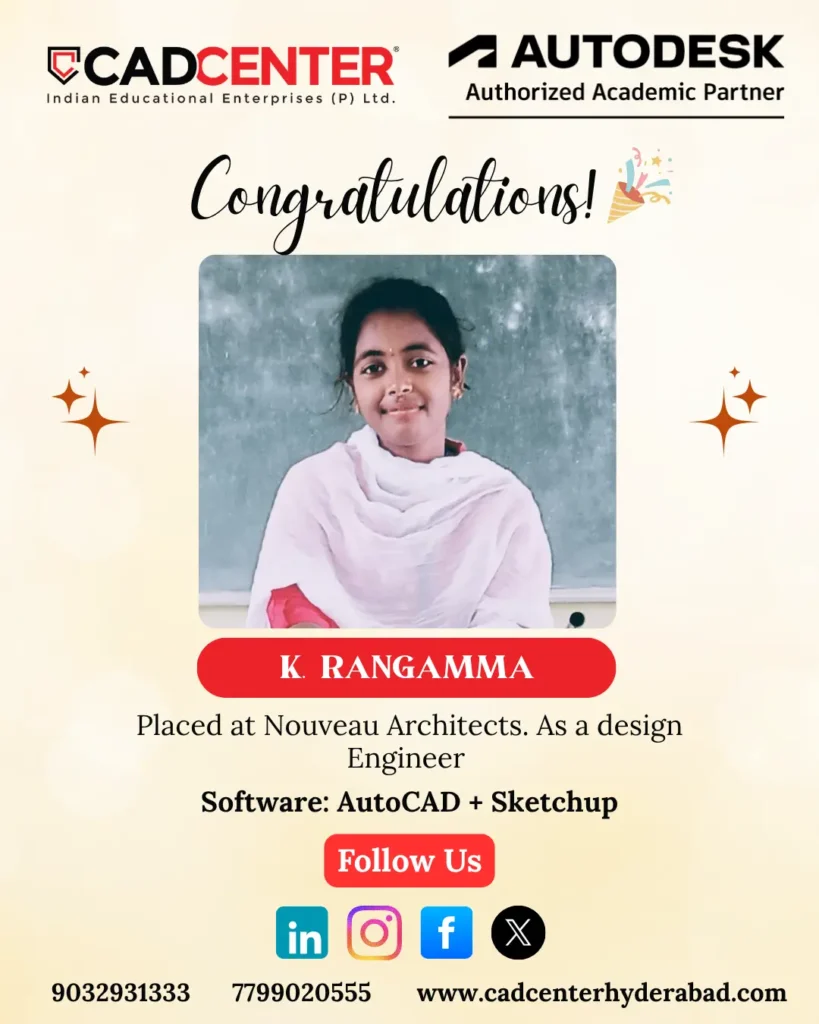
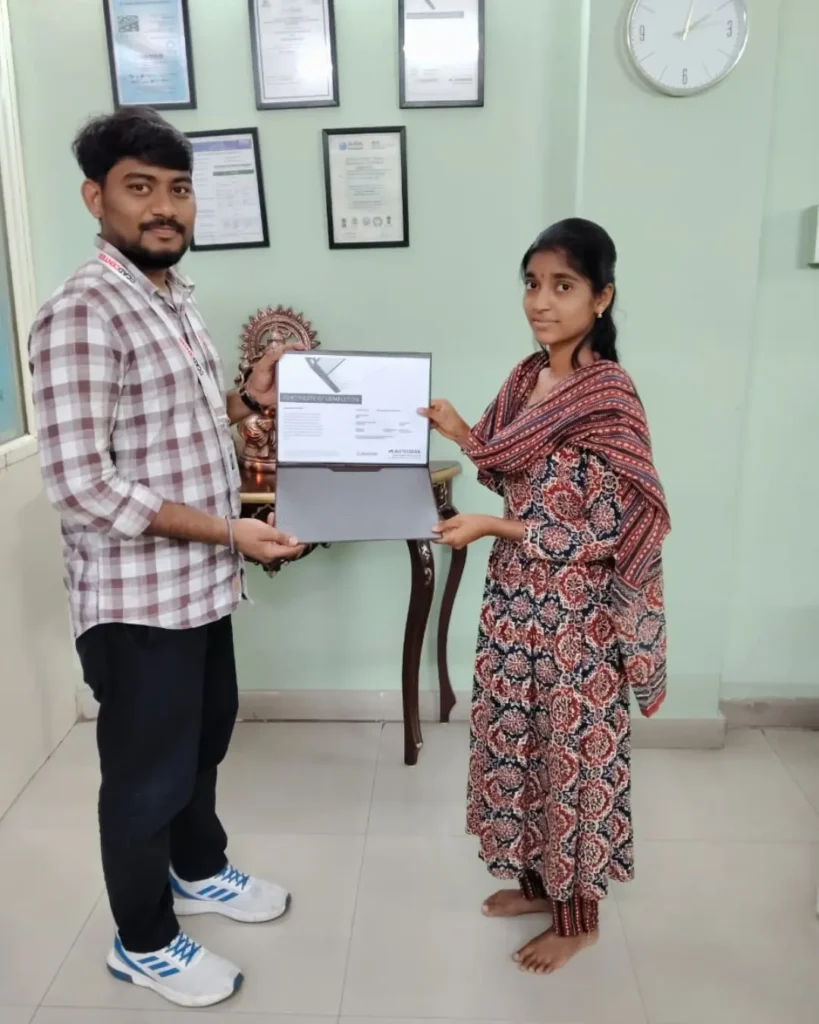
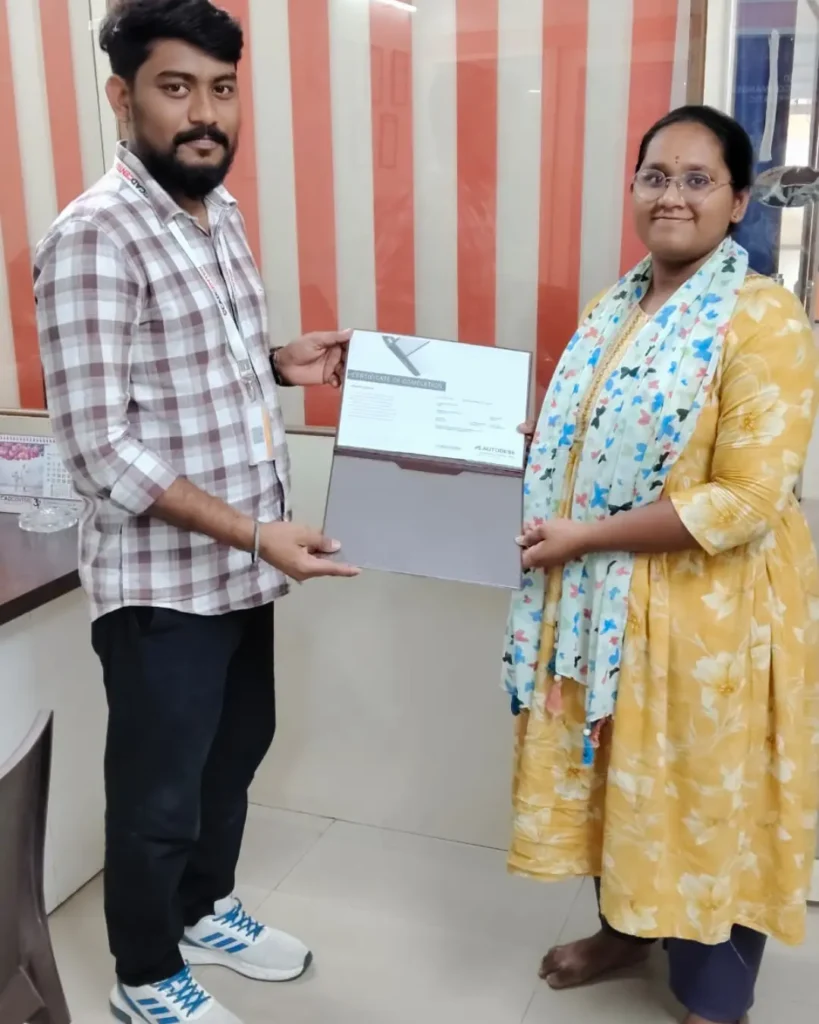
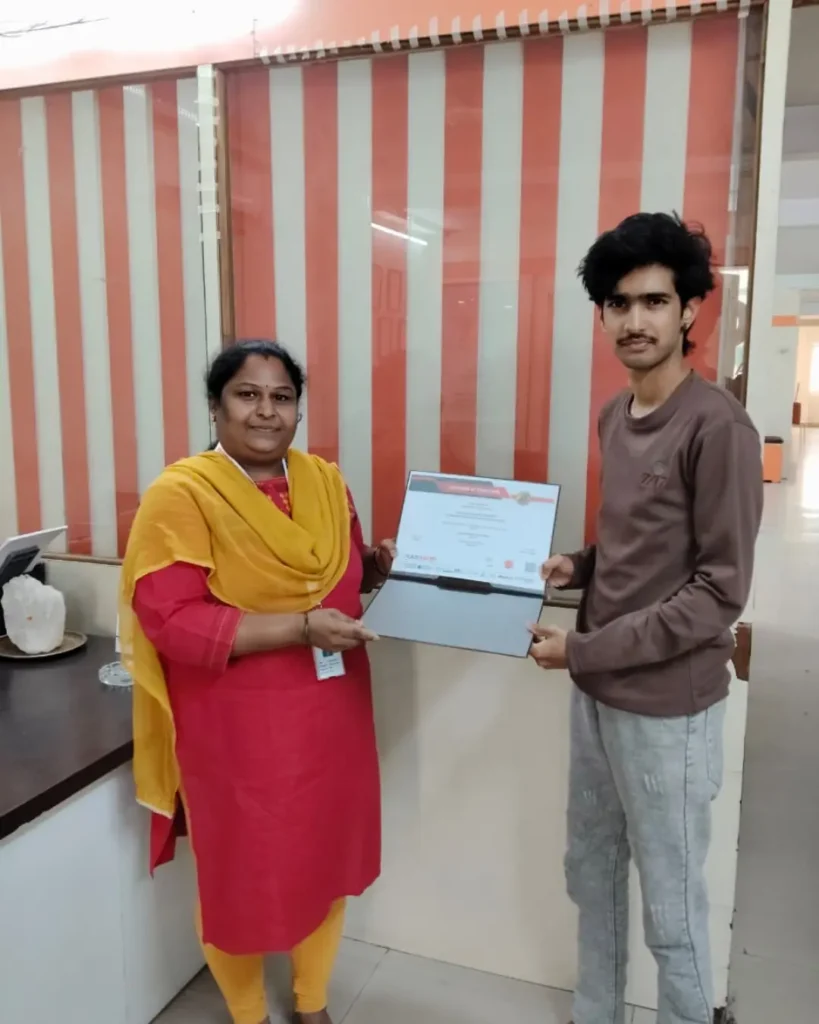
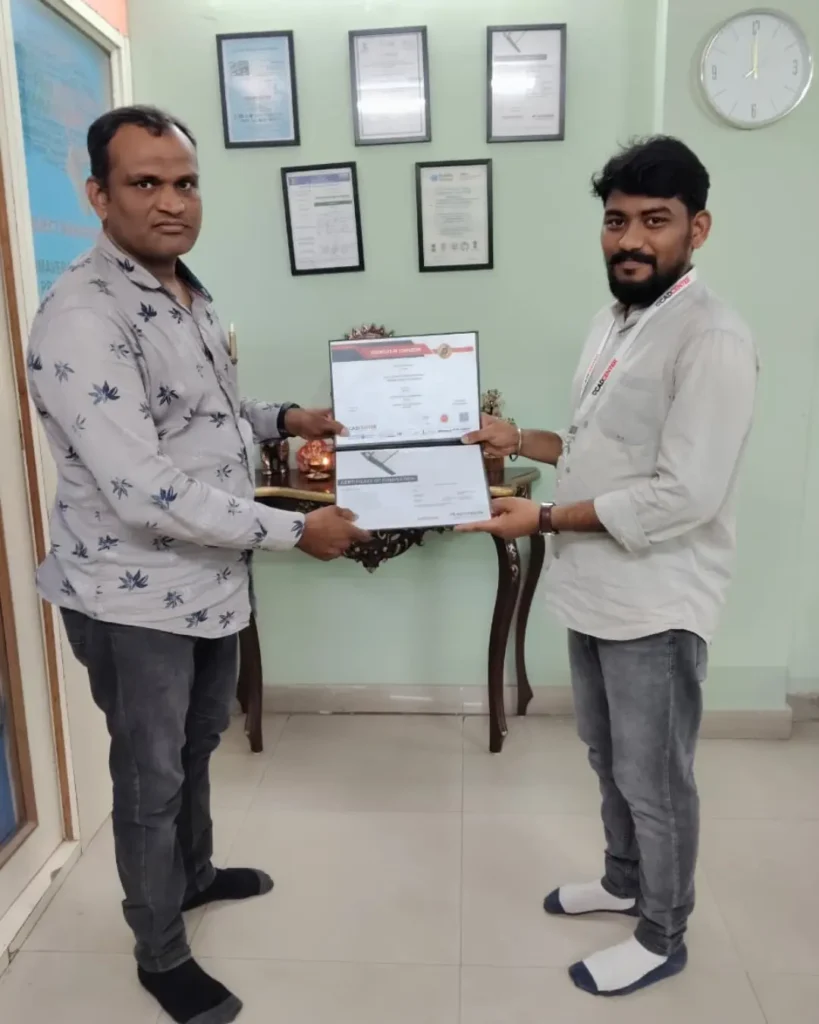
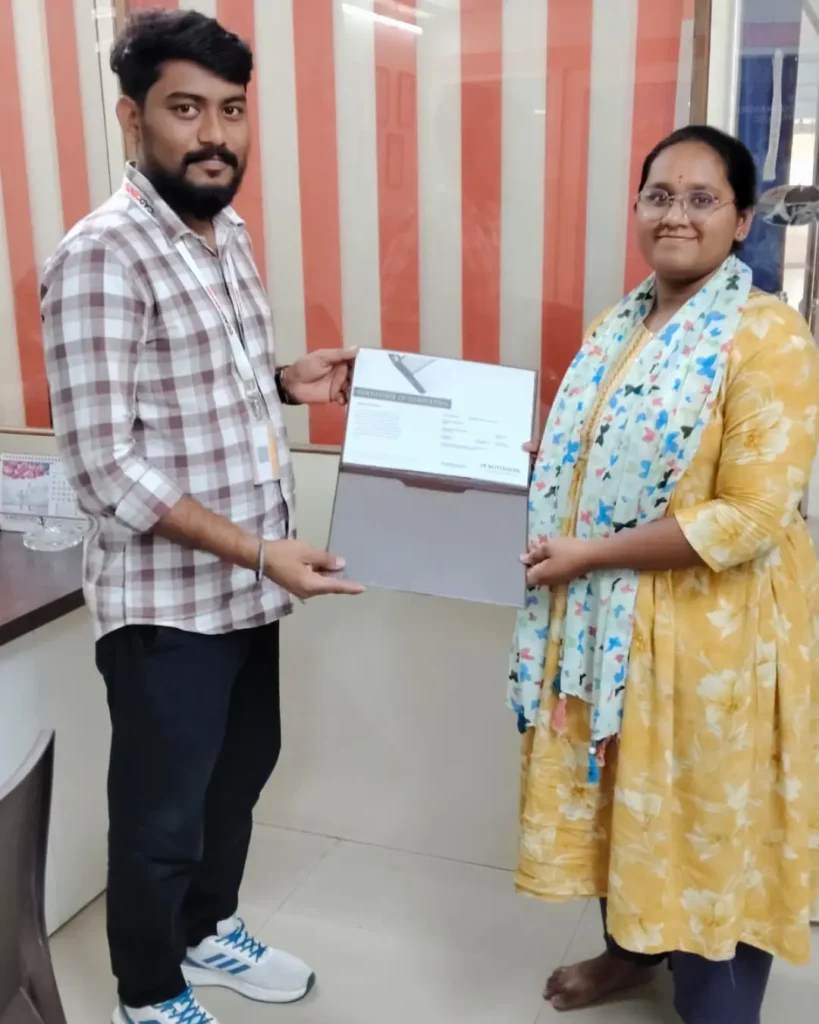
Our Certified and Placed Students




Frequently Asked Questions
A degree or diploma in architecture, civil engineering, structural engineering, or MEP disciplines is the typical starting point. Working professionals already in these fields can join directly based on their current role and the module that is most relevant to their work.
Yes. CAD Center Hyderabad provides separate training tracks for Revit Architecture, Revit Structure, and Revit MEP — each designed around the specific workflows and deliverables relevant to that discipline.
Clash detection is the process of identifying conflicts between elements across different discipline models — such as a duct intersecting a structural beam. Resolving these conflicts in the model before construction begins prevents costly rework and delays on site.
AutoCAD produces geometry — lines, arcs, and dimensions — without any embedded project data. BIM creates intelligent model elements that carry information about their material, cost, structural behavior, and system relationships. This data enables coordination, simulation, and lifecycle management that AutoCAD cannot support.
A BIM Execution Plan is a project document that defines how BIM will be implemented — including roles, responsibilities, software platforms, LOD requirements, and information delivery milestones. It is covered in the BIM Management module at CAD Center Hyderabad.
Dynamo is included in the advanced BIM modules. It teaches professionals to automate repetitive Revit tasks and manage model data more efficiently — skills that are especially valuable on large and complex projects.
A single-discipline module takes approximately 45 to 60 hours. A comprehensive multi-module program covering authoring, coordination, and management can extend to 120 hours, depending on the depth of coverage selected.
Scan-to-BIM involves converting laser scan point cloud data into accurate Revit models representing existing conditions. It is most relevant for professionals working on renovation, retrofit, heritage conservation, or industrial facility projects where as-built accuracy is critical.
Yes. CAD Center Hyderabad offers weekday, weekend, and fast-track intensive batch formats specifically to accommodate working professionals managing project work alongside their training schedule.
Trained professionals can move into roles including BIM Author, BIM Coordinator, BIM Manager, and VDC Engineer. These roles are in demand across architectural firms, engineering consultancies, contractors, and project management companies — particularly those delivering large-scale or internationally compliant projects.